What remains when something changes? What happens to objects, bodies, and landscapes when their familiar form or meaning begins to shift?
IN PASSING turns its attention to states of transition and to the fragility of structures that for a long time appeared self-evident and enduring. The exhibition explores change and transience, asking how meaning, materiality, and perception shift when the familiar loses its sense of permanence.
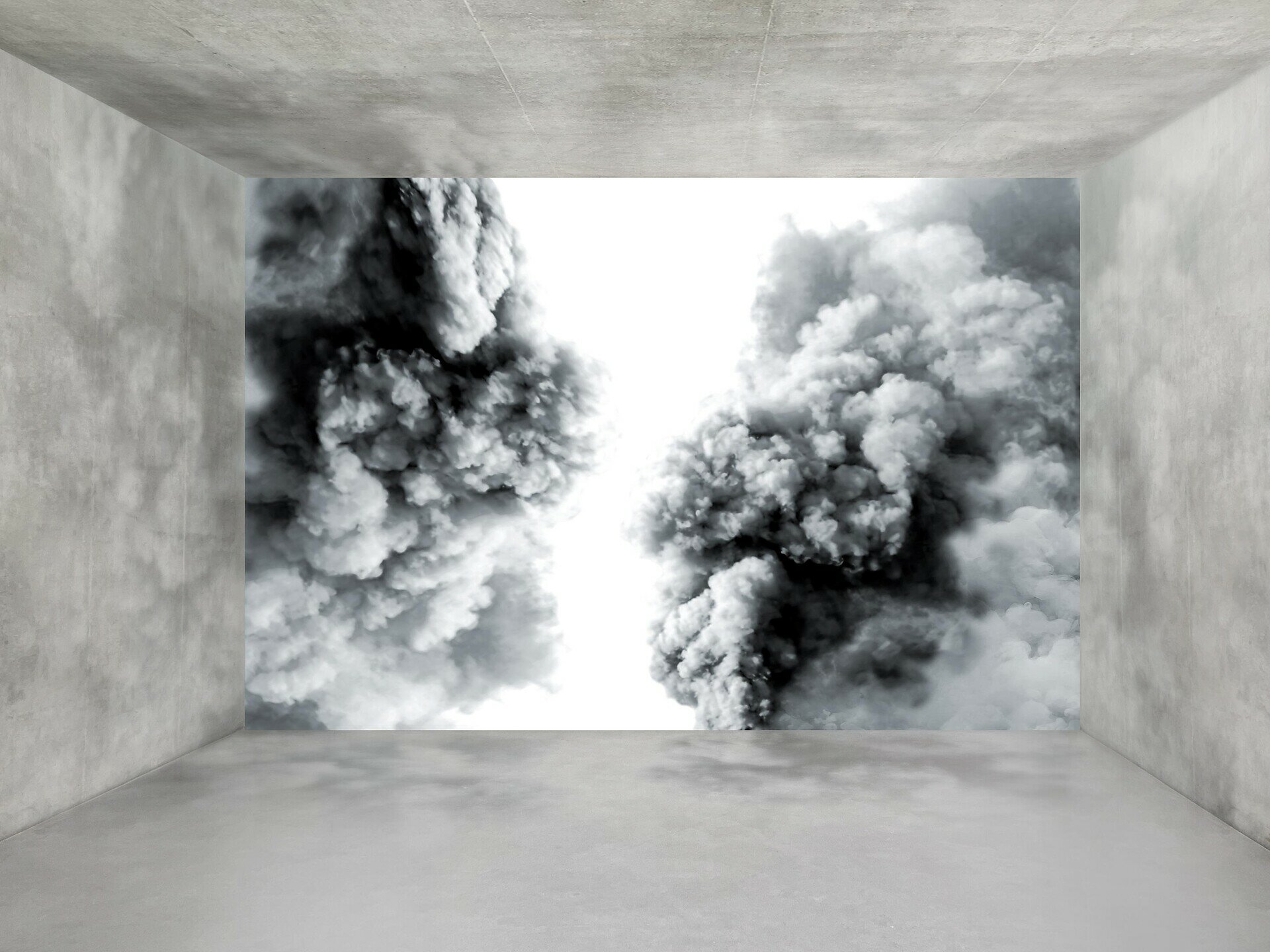
The works of Wil-ma Kammerer and Zingerle Andreas meet within a field of tension between permanence and transience, holding on and disappearing. Kammerer’s works address the vulnerability of nature and landscape in a present in which ecological and social balances appear increasingly unstable. Melting glaciers and the loss of landscape become emblems of a present in which permanence and stability are growing precarious. The cloud, too—an image of longing, infinite vastness, and lightness—changes its meaning, becoming at the same time a trace of violence, explosion, and destruction. The works thus move between beauty and loss, nature and human intervention. Materials such as stone, glass, mirrors, and light become carriers of contradictory states: they can suggest permanence while simultaneously making decay visible.
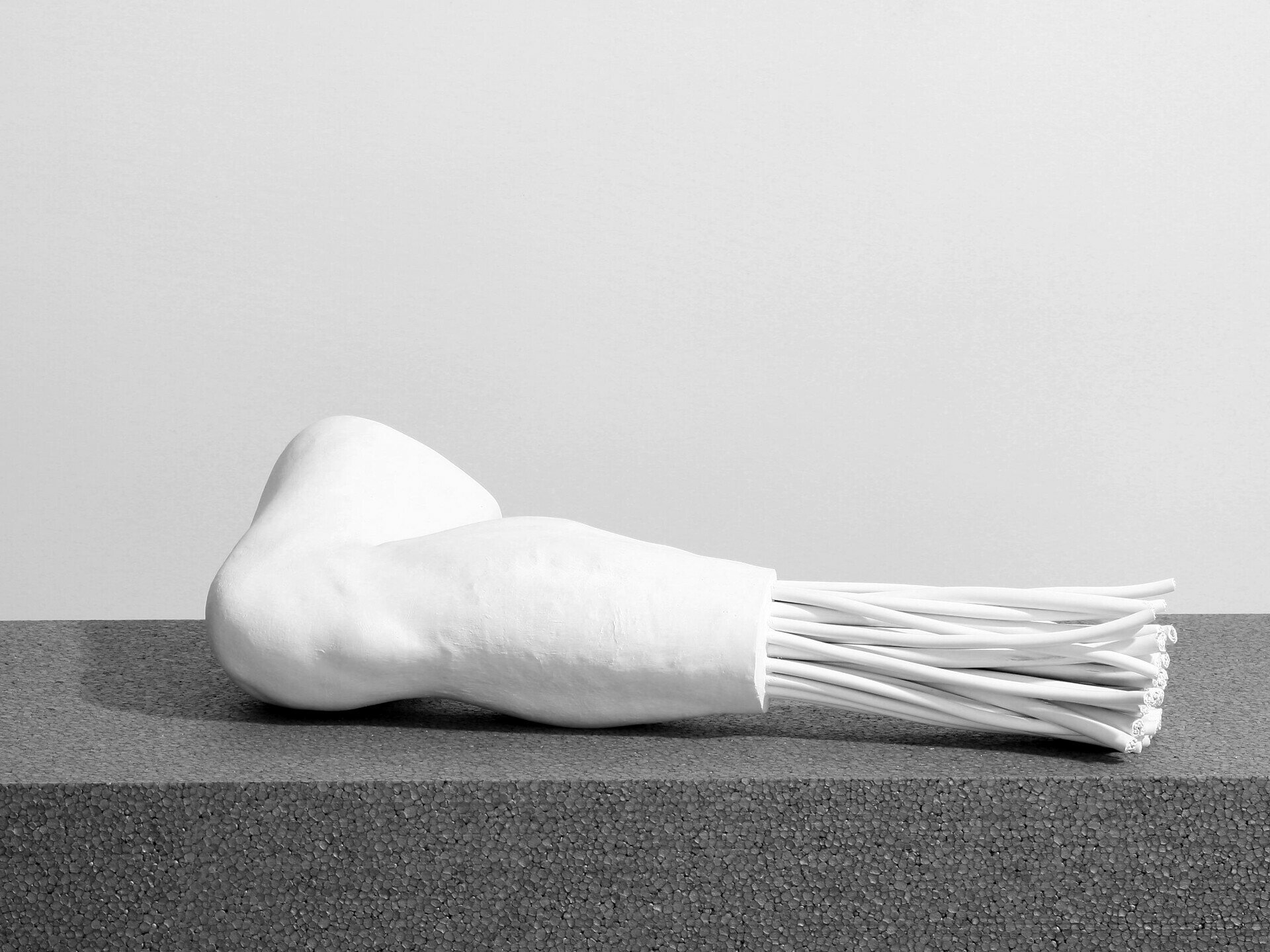
In the works of Zingerle Andreas, too, opposing states come into contact: the weight and permanence of concrete encounter the fleeting nature of painting, bodies meet technology, and material value confronts social attribution. Objects associated with consumption and everyday use are transferred into concrete, acquiring a new and lasting presence; casts of the body occupy a space between the human body, the object, and technological extension. In the paintings, by contrast, what is visible becomes increasingly fragile: luminous depictions of insects cause contours and colours to almost disappear. The question of value becomes particularly evident in the concrete bars, which adopt the form and weight of a gold bar while being made of concrete. In this way, attention shifts towards what makes an object valuable—its material, its function, or the meaning attributed to it by society.